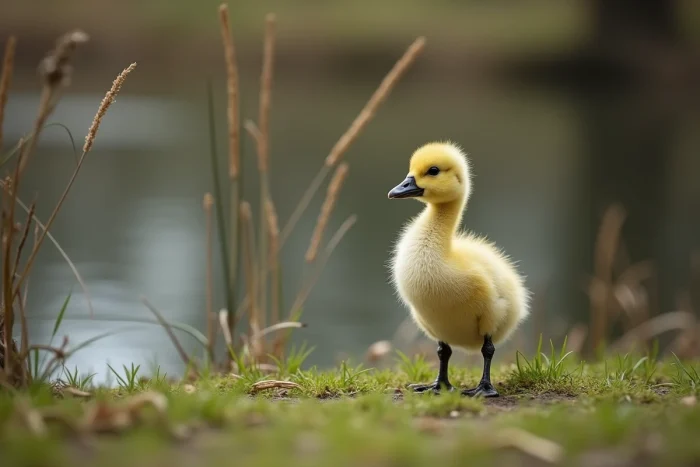
With goslings, the growth rate does not follow any uniform schedule. Some individuals double their weight in less than a week, while others progress more slowly, without this necessarily indicating a health problem. Nutritional needs vary greatly depending on the stages of development, and neglecting a fundamental step can lead to irreversible disorders.
An unsuitable environment often leads to atypical behaviors or delays, even with proper feeding. However, precise actions taken at the right time ensure reliable results and a peaceful breeding process.
Understanding the development of the gosling: from hatching to the first feathers
The freshly hatched gosling embarks on a journey where each step shapes its vigor. During the very first hours, the absolute priority is on warmth and safety: this is where its future reflexes are anchored. The neonatal phase, which lasts for a few days, is characterized by an instinctive attraction to light, following the movement of the group, and the need for direct contact with dry, temperate bedding. This detail, often underestimated, proves decisive in preventing any cooling and sets the tone for healthy growth.
By the first week, the growth of the young gosling accelerates significantly. Appetite increases, and the demand for water does too: constant access to clean water becomes non-negotiable, as even the slightest negligence exposes them to dehydration. In terms of feeding, it is essential to provide a protein-rich formula and vitamins from the start, specifically designed to support the physiology of the gosling. Gradually, the first signs of down strengthening appear, heralding the arrival of true feathers, usually between ten and fifteen days.
Regular observation is essential: upright posture, liveliness, uniform plumage, stable weight progression. Any deviation should raise concern. Experts also emphasize the impact of natural light and physical stimulation: providing a secure, spacious, and temperate environment promotes harmonious development of muscles and bones. As reminded by ‘The stages of growth of the gosling – Blog Animaux’, the balance between diet, environment, and social interactions lays the foundations for a robust adult. The crucial first weeks determine the trajectory of their entire future life.
What specific needs to properly support the growth of young geese?
Supporting the growth of young geese requires constant attention. Their diet, from the very beginning, must meet high standards: proteins, vitamins, and minerals shape their vitality and future strength. Here are the key points to monitor:
- Prioritize a high-protein diet to allow the muscular system to develop, while ensuring sufficient intake of vitamins and minerals to support skeletal formation and overall energy.
- Never neglect hydration: renewing water several times a day limits digestive risks. Goslings, during rapid growth or in hot periods, hydrate frequently.
- Adopt the dietary transition gently: abruptly changing the diet can slow growth or cause imbalances.
Care and environment
To ensure smooth development, certain breeding parameters must not be left to chance:
- Maintain a constantly dry and renewed bedding to curb bacterial proliferation.
- Allow access to fresh grass from the first outings to stimulate their natural grazing behavior.
- Maintain a secure space: fewer injuries, less stress, and thus a more consistent growth.
Temperature management also plays a central role: during the first ten days, maintaining a warm environment protects goslings from cooling, a silent but formidable adversary. Natural light, varied stimulation, group life: all contribute to fostering learning and socialization. Any deficiency or excess at this stage has lasting repercussions on their future.
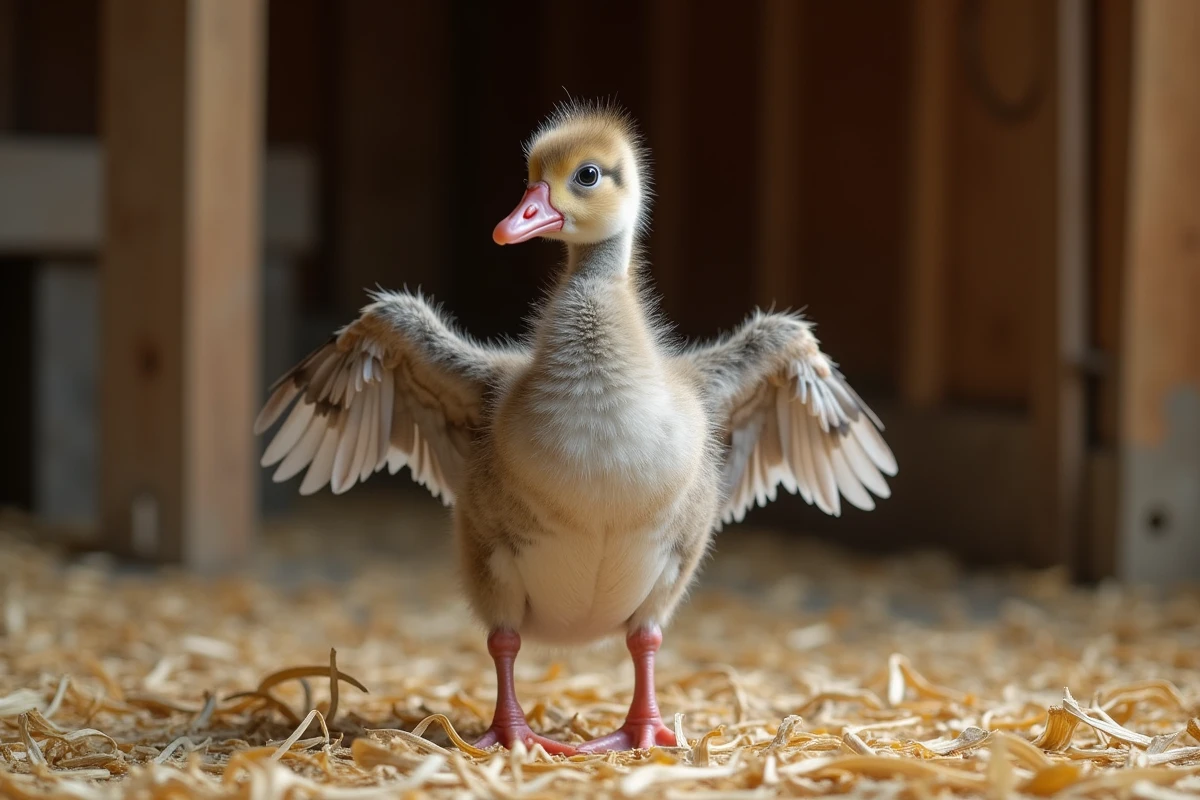
Practical tips to ensure the health and well-being of your goslings
On the ground, success depends on a series of precise and consistent actions. Prepare a secure enclosure: sturdy fencing, waterproof shelter, absence of damp corners, every detail counts. Regularly clean the bedding to limit the spread of germs: hygiene remains the first barrier against diseases.
Daily monitoring is essential. Observe the behavior of the goslings: a tired, isolated individual or one that refuses to eat should immediately raise your alert. Place water sources at a good distance from the resting area: chronic moisture damages the legs and promotes infections.
Here are the levers to activate to enhance the well-being of young geese:
- Encourage socialization: interactions between goslings shape their balance.
- Plan for regular anti-parasitic treatments with the support of an avian veterinarian, especially if the breeding expands.
- Vary the environment: fresh grass, objects to discover, open spaces to stimulate their natural curiosity.
In French breeding, particular attention is paid to adapting the diet and monitoring growth, especially for breeds like the Toulouse goose or the gray goose. Any doubt? Consult a professional: acting quickly maximizes the chances of success and preserves the quality of life of your charges. The growth of goslings leaves no room for approximation: every detail, every action, counts in the development of a thriving adult. The journey begins there, in daily actions, and continues long after the first feathers have molted.