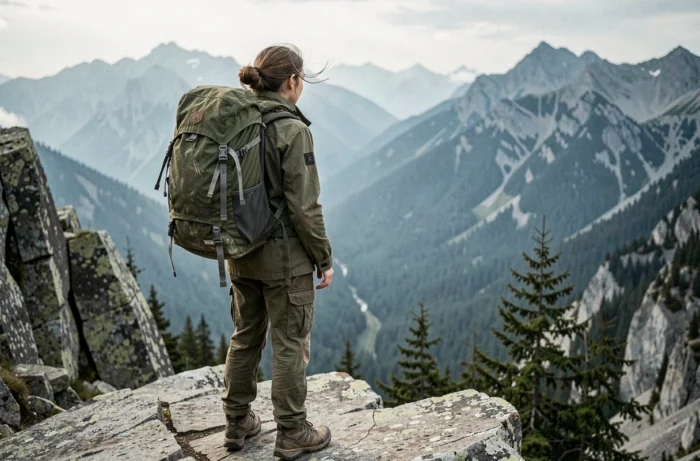
Organizing a trip with a teenager means agreeing to negotiate. On the destination, the pace, and screen time. The result, when the preparation is solid, often exceeds the expectations of the whole family. However, it is essential to lay the right foundations before packing the bags.
Border formalities and health coverage: two common blind spots
You may have noticed that there is a lot of talk about activities and destinations, but rarely about what can block a trip right from the airport? Administrative formalities are evolving, and ignoring them can turn a departure into a nightmare.
The European Entry/Exit System (EES) began to be deployed in October 2025 at the external borders of the Schengen Area. For a young traveler, this means biometric checks at crossing points. Allowing extra time at the border crossing helps avoid unpleasant surprises, especially with a connecting flight.
On the health side, consulting a healthcare professional several weeks before departure remains the best precaution. The advice from the French Ministry of Foreign Affairs for destinations like South Africa emphasizes the importance of checking vaccinations and obtaining insurance covering medical care and repatriation. For an adventurous itinerary far from major cities, this step is not optional.
A successful trip with teenagers thus begins with administrative and health tasks that are not glamorous but secure everything else. To learn more about Jeunes Voyageurs and trips tailored for young adventurers, specialized resources allow for cross-referencing information by destination.
Choosing a destination with a teen: starting from their interests, not a brochure
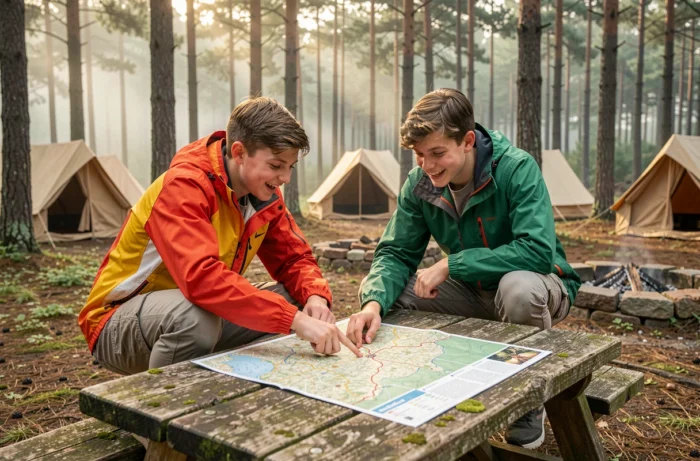
The classic reflex is to choose a country and then look for things to do there. With a teenager, reversing the logic works better. You start with a concrete desire (diving, hiking, wildlife photography, street art) and look for the destination that meets it.
Why this choice? Because a teen involved in the decision invests in the trip. A teenager passionate about wildlife will not experience a safari the same way if they participated in scouting the parks and observable species.
Three criteria to filter family destinations
- The level of medical accessibility: some beautiful regions are several hours away from the nearest hospital. If your teen engages in risky activities (climbing, water sports), this criterion weighs heavily in the balance.
- The flight duration and time zone difference: a journey of more than ten hours with significant jet lag can eat into the first days of the trip. For a short trip, staying within nearby time zones helps maintain the rhythm.
- The local security conditions: consulting the country profiles from the Ministry of Foreign Affairs provides a factual basis, far from fantasies or clichés about certain regions of the world.
This filtering allows for quickly eliminating poorly suited destinations. A teen who understands why a country was ruled out is more accepting of the final choice.
Adventure activities for teens: balancing effort and autonomy
Teenagers need to expend energy but also require time for themselves. Planning each day from dawn to dusk is the best way to provoke a blockage. Alternating an active day with a half-day free creates a rhythm that most families find manageable.
Outdoor activities (kayaking, trekking, biking) create strong memories, provided the difficulty level is appropriate. A hiking trail that is too long for the group turns the adventure into a chore. It’s better to have a shorter route with a striking visual goal (a summit, a waterfall, a viewpoint) than a long walk without a landmark.

Allowing a margin for daily decision-making
Offering two or three options each morning, rather than a fixed schedule, changes the dynamic. The teen chooses between snorkeling and visiting the local market. This decision-making power reduces tensions and gives the feeling of a shared journey, not one that is imposed.
For trips longer than a week, planning at least one completely free day, without organized activities, allows everyone to unwind. Parents read, teens explore a neighborhood, and everyone comes together at dinner with something to share.
Budget for young adventurers: making trade-offs without sacrificing experience
Adventure does not require an unlimited budget, but it does require clear trade-offs. Focusing the budget on one or two memorable experiences rather than spreading it over ten average activities creates a better travel memory.
A concrete example: booking a scuba diving experience in crystal-clear water is often better than three standardized tourist excursions. The teen will remember the strong sensory experience, not the guided bus tour.
Accommodations: the minimum comfort that changes everything
With teenagers, the choice of accommodation weighs more than one might think. A separate sleeping space avoids friction related to differences in pace. Hostels with family rooms, rentals with two rooms, or separate bungalows offer this flexibility without blowing the budget.
Accommodations with kitchens also help reduce dining expenses while allowing the teen to discover local products at the market. It’s an activity in itself and often a good moment shared.
- Check for wifi availability: for a teen, staying disconnected from the world for two weeks is unrealistic. Even limited access diffuses tensions.
- Prefer accommodations with outdoor space: terrace, garden, or direct access to nature. The teen needs a place to isolate themselves without leaving the group.
- Read recent reviews, not those from three years ago. The quality of accommodation can change radically from season to season.
A trip with a young adventurer is not just about ticking boxes on a list of destinations. Success relies on three elements: rigorous administrative preparation, a teen involved in the choices, and a pace that allows room for the unexpected. The rest are the memories that take care of themselves.