
The incubation period of SARS-CoV-2 has continued to surprise epidemiologists since the beginning of the pandemic. Data from 2026 shows that some recent variants exhibit atypical delays, sometimes shorter or longer than those observed previously. This variability calls into question contact management and isolation protocols.
At the same time, comparisons with other emerging viruses, such as Nipah or MERS-CoV, reveal notable differences in symptom dynamics and the incubation period, complicating global surveillance and prevention strategies.
What recent studies reveal about the incubation period of Covid-19 in 2026
In 2026, the incubation period of covid takes a new turn. Scientists are conducting cohort follow-ups across France, China, Hong Kong, and South Korea. Their verdict is clear: recent variants of SARS-CoV-2 disrupt the incubation period. Where there was once a classic interval of two to six days, we are now talking about a range of one to five days, as confirmed by reports from the CDC and European centers. This change is not trivial.
The genetic diversity of variants, Beta, Gamma, Stratus, to name a few, accelerates the entry into the phase where the virus becomes contagious. In practical terms, this reduces the available time to conduct a relevant screening test, complicating the tracking of transmission chains. As a result, official recommendations are adapting; the WHO and national agencies are focusing on rapid detection, which has become a major lever to limit spread, as the asymptomatic phase contracts.
The recent studies on covid incubation present a nuanced picture. They remind us that age, prior vaccination, and exposure to emerging variants strongly influence the incubation period. From continent to continent, from Asia to Europe to North America, each population presents its own profile, forcing authorities to constantly revise monitoring methods and measures applied to contact cases.
This evolution leaves no respite for researchers. Virologists and epidemiologists, whether in Paris, Wuhan, or Guangdong, are cross-referencing their observations to stay ahead of mutations in the SARS-CoV genome and anticipate their consequences on infection dynamics. Agility remains the watchword.
Symptoms, clinical evolution, and signals to monitor in the face of SARS-CoV-2
In 2026, the management of covid faces the complexity of the acute respiratory syndrome caused by the latest variants. Practitioners around the world highlight how much the range of symptoms has expanded: fever that appears within hours, dry cough, persistent fatigue, and headaches. The loss of taste and smell remains relevant, despite the various mutations of the coronavirus. Many doctors, in France as well as in Canada, observe that fever peaks earlier than before, sometimes as soon as the second day after contact with the virus.
The most severe cases do not spare certain groups. Older adults, pregnant women, vulnerable children: these profiles remain the most exposed to complications. Variants like Delta, Stratus, or Ba are closely monitored, as they cause rapid lung damage, necessitating great vigilance in hospitals and intensive care units.
Here are the signals to watch for and the factors that increase risk, according to recent observations:
- Warning signs: onset of breathing difficulties, drop in oxygen saturation below 95%, confusion, chest pain.
- Aggravating factors: history of heart or respiratory issues, immune deficiency, associated metabolic diseases.
Epidemiological surveillance is becoming more refined and relies on clinical data collected as close to the ground as possible, taking into account atypical symptoms or the rapid evolution of respiratory disorders. In the face of these unpredictable variants, the screening strategy now targets weak signals: isolated cough, sudden loss of taste, even mild respiratory discomfort. Caregivers recommend heightened attention as soon as the slightest symptom appears in children or pregnant women, who constitute at-risk populations for severe forms.
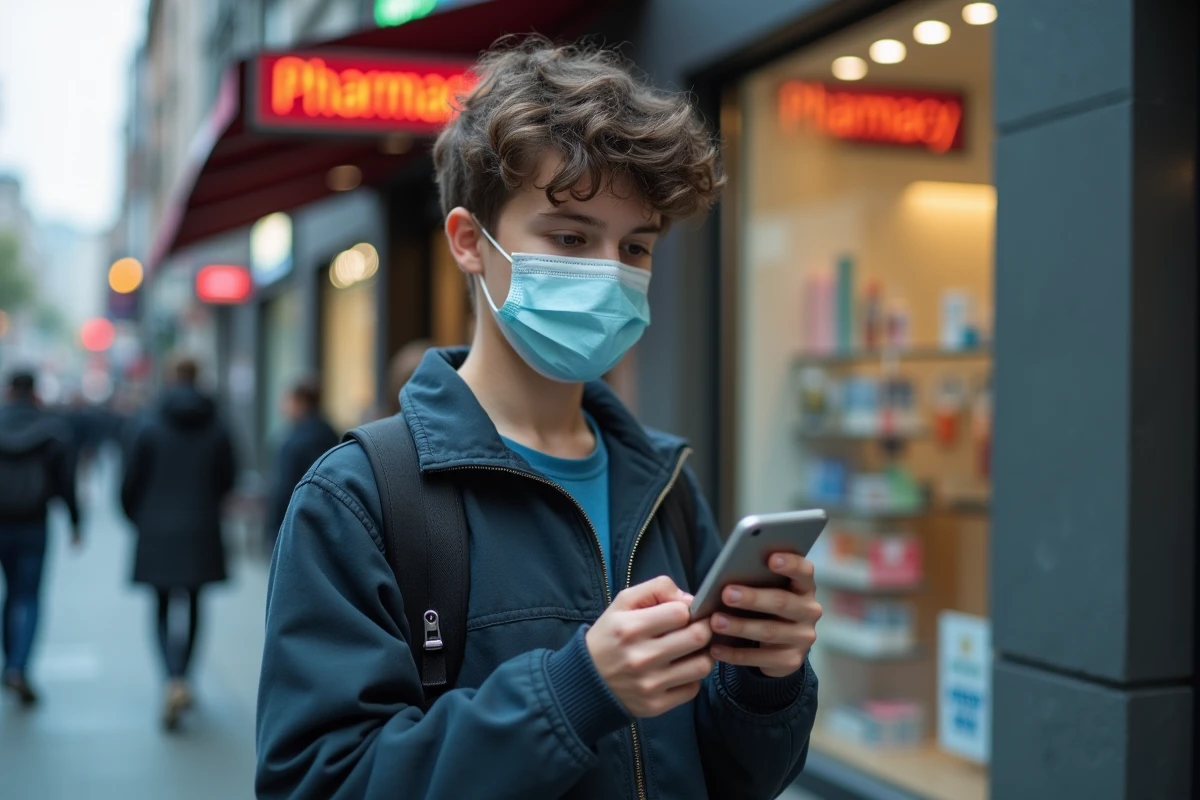
The virus has not said its last word. Constant adaptation remains the rule, and collective attention is the best defense to stay ahead of the next surges.