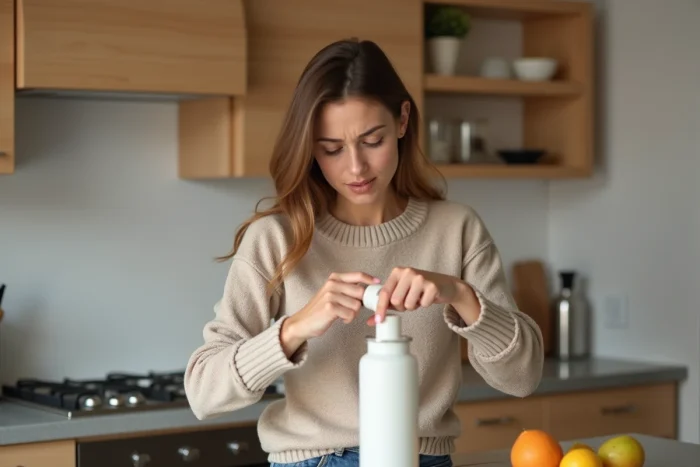
Carbon dioxide, sometimes used instead of nitrous oxide in certain whipped cream dispensers, alters the texture and flavor of the cream. Storing at a temperature below 4 °C slows the release of the propellant gas, making the device difficult to use. A poorly screwed nozzle or an incompletely pierced cartridge prevents the necessary pressure for expelling the cream.
The shelf life of an opened dispenser depends on the type of cream used and the cleanliness of the mechanism. Poor handling can distort or block the system, leading to product waste.
Understanding why a whipped cream dispenser may stop working
The whipped cream dispenser has established itself as a valuable ally for enhancing desserts and drinks, but its effectiveness relies on precise mechanisms. As soon as the pressure is absent, the cream remains trapped: a classic breakdown with multiple causes. Sometimes, the siphon may become clogged due to forgotten residues or poorly filtered cream, or the fat content may be too low, resulting in unsatisfactory outcomes.
The gas, most often nitrous oxide, must pierce the cartridge cleanly to propel the cream. A poorly installed cartridge or a badly screwed nozzle causes the pressure to collapse. The cream cartridge must be compatible with the whipped cream siphon used; otherwise, nothing works. A dirty nozzle or a blocked valve can also completely obstruct and render the device unusable.
It’s impossible to achieve a nice texture without rich cream: a minimum of 30% fat content is the rule. With cream that is too light, even a poorly chosen light cream, the homemade whipped cream will not whip.
To explore all these technical aspects and find concrete answers, take a look at the solution for a blocked whipped cream dispenser. This resource details the reasons and responses to a stubborn bottle. With a little practice, managing the cream siphon and nitrous oxide cartridges allows you to master the preparation of whipped cream without unpleasant surprises.
What actions to take when facing a blocked or defective dispenser?
Before any attempt, keep a simple rule: never force the whipped cream dispenser if the pressure seems absent. It’s better to avoid splashes, injuries, or gas leaks.
Start by carefully unscrewing the top of the siphon, check the condition of the seal, and ensure that no residue is blocking the nozzle. A good rinse with warm water is often enough to dislodge any coagulated liquid cream remnants, the main cause of blockages.
Here are the steps to try to unblock the situation:
- Shake the bottle upside down for just a few seconds.
- Disassemble the nozzle and clean it thoroughly with a small brush or toothpick.
- Check the seal and ensure it is properly in place before re-screwing.
If despite everything the gas does not come out, it may be that the cartridge was not pierced correctly. Carefully remove it. Then install a new cream cartridge that is compatible with your device and try the operation again.
When the pressure is still absent, all is not lost: recover the whipped cream stuck inside, pour it into a bowl, and then whip it with a whisk or an electric mixer. A temperamental siphon should not deprive you of whipped cream: just adjust the method and continue to enjoy your dessert, even without the original texture.

Tips for successfully making, storing, and using your whipped cream without issues
For an airy and stable homemade whipped cream, the key lies in a well-chilled and sufficiently fatty light cream. Opt for a fat content of at least 30% to ensure a firm texture and a foam that holds. Place the cream, bowl, and whisk in a cold water bath for a few minutes before whipping the cream: this simple gesture promotes whipping and prolongs the shelf life of your preparation.
Add a hint of natural vanilla or powdered sugar at the very end of the preparation to customize your whipped cream to your liking. Use a piping bag for neat decoration, whether on a pie or in an unexpected savory version. For storage, keep the whipped cream bottle or siphon upright in the refrigerator: this position limits gas migration, reducing the risk of liquid foam or blockage.
Extend the shelf life by maintaining a strict cold temperature: no more than 48 hours for a classic whipped cream without additives. A homemade preparation without preservatives requires extra attention. If the texture separates, a quick whisk or a run through the stand mixer can sometimes bring it back. Use it without delay: freshness remains the secret to successful whipped cream.
Nothing compares to the pleasure of a dessert topped with perfectly whipped, light, and creamy cream. Take care of your equipment, follow the steps, and each whipped cream dispenser then becomes the promise of a delightful moment, ready to surprise and delight, cap after cap.