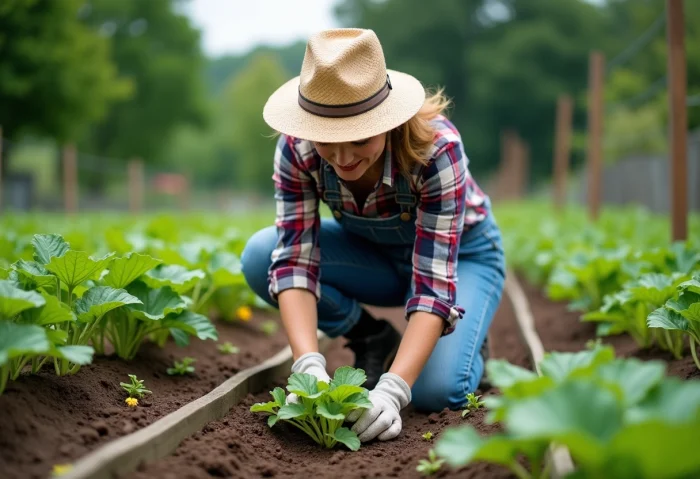
Some vegetable marriages hold surprises, sometimes happy, sometimes less so. The pairing of beets and eggplants, often relegated to the background, does not follow any of the great classics of companionship.
For this combination to become a true lever of success, everything lies in the details: careful management of nutrients, observation of development, clever use of space, and vigilance over plant health. A few well-targeted actions can turn this alliance into a strength of the organic garden.
Why associate vegetables in the garden: understanding the benefits for biodiversity and productivity
Having different species of vegetables coexist in your garden is not an old reflex devoid of meaning. Behind this practice refined by generations of gardeners lies a conviction: companion plants boost growth, limit diseases, and enhance soil biodiversity. A variety of annuals, perennials, or herbs all contribute to weaving natural defenses against many pests, particularly through the complementarity in the use of light or soil resources.
The association of beet and eggplant, sometimes deemed strange, proves to be balanced. The best evidence: their roots do not exploit the soil in the same way. The beet draws from deep down while the eggplant prefers to spread out on the surface, which limits competition. The introduction of nectar-producing plants or allelopathic plants attracts pollinators and encourages the presence of beneficial insects, establishing a sustainable balance in the garden.
Here are some ways to improve coexistence within the garden:
- Implement a mulch to retain water and enrich the soil structure
- Amend the soil with mature compost to support underground life
- Plan a regular crop rotation on the plots
Multiplying associations requires careful observation and a willingness to experiment. By combining vegetables, herbs, and legumes, the gardener expands the palette of possible balances. Those who want to take the process further will find guidance in the gardening tips on Terre d’Humus, to successfully cultivate beets and eggplants together with rigor and respect for life.
Do beets and eggplants get along? What you need to know before planting side by side
The question is recurrent: do beets and eggplants really tolerate each other? In reality, these two species, although they do not fit into mythical alliances, accommodate their differences. Beets plunge their roots deeper, while eggplants exploit the surface space. This natural sharing limits pressure on the soil and allows for a fluid organization of crops.
Here, it is not a fusion agreement like the famous tomato-basil duo, but a peaceful coexistence. Adding nasturtiums or a few marigolds at the edges of the row helps divert aphids or other insects fond of young shoots. Conversely, placing these two vegetables near cabbages or potatoes risks complicating the fragile balance of the garden, as the latter sometimes concentrate diseases or pests.
A vegetable association chart serves as a support to imagine new combinations: the beet easily cohabits with celery, radish, or onion; the eggplant enjoys the company of beans, mint, and nasturtium. Taking care to vary the rows, to aerate circulation, and to practice rotation limits issues with pests or diseases.
Each year, the gardener refines their method. Note, correct, retry: this questioning season after season allows each garden to gain in robustness and diversity.

Practical tips and permaculture tricks for a successful association and a thriving organic garden
For the combination of beets and eggplants to yield the best results, the focus is on the richness of the soil and the diversity of species installed. A generous mulch, made of dead leaves or straw, retains moisture, encourages microscopic life, and protects the plants in the early stages of growth. In a few months, this layer nourishes the soil and accelerates its regeneration.
The ideal is to move the location of crops each year: avoiding replanting beets and eggplants in the same bed two years in a row slows the proliferation of pests and gives the organic garden a new dynamic. Slip in among your plantings herbs such as sage, rosemary, or chives: their scent repels certain pests and attracts beneficial insects.
The integration of legumes like beans or fava beans enriches the soil with nitrogen, benefiting the entire garden bed. When planting, offer your young shoots a few handfuls of mature compost: this promotes robust plants and structured soil.
Practical guide: beneficial associations
Here are some concrete ideas for best associating crops this season:
- Slip beets between rows of celery or chamomile to limit the presence of aphids.
- Place eggplants near nasturtiums or onions for a repellent effect on certain pests.
- Integrate lettuce or radishes between crops to occupy free space, thus limiting the proliferation of spontaneous weeds.
The soil deserves to be worked gently, to preserve the life that nests there. Over time and with experience, each association finds its balance. A haven of diversity, where observation and adaptation give rise to astonishing results. Sometimes it is in the discreet detail of an apparently improbable mix that the most promising harvests are born at the heart of the garden.