A child who ties their shoelaces before knowing how to put on their coat suffers from neither an anomaly nor a sudden genius. The development of autonomy in a child is marked by detours, sudden accelerations, and sometimes perplexing slowdowns. We see a little one solve a complex puzzle, then struggle with a simple action, without this indicating any kind of delay. Milestones mark the path, but each journey overflows, intertwining motor skills, language, and emotions, far from an orderly score.
The educational methods that work wonders for some sometimes fall flat elsewhere, even when the children’s profiles seem similar. Expert recommendations, often conveyed through grand theories, do not offer a magic answer. They provide avenues to explore, levers to adjust the relationship, and support the growth of each child, without promises of immediate results. Education is not a universal recipe, but an attentive navigation, made of trial and error and adaptations.
Understanding the major stages of child development: milestones and needs by age
A child’s growth is built through abrupt leaps, disconcerting pauses, and discreet yet decisive progress. Parents and teachers play their part in this progression, gently guiding and then letting go, allowing autonomy to take root. The years leading up to school particularly shape the path: a secure environment, consistent milestones, and availability to listen are what shape the soil for balanced development.
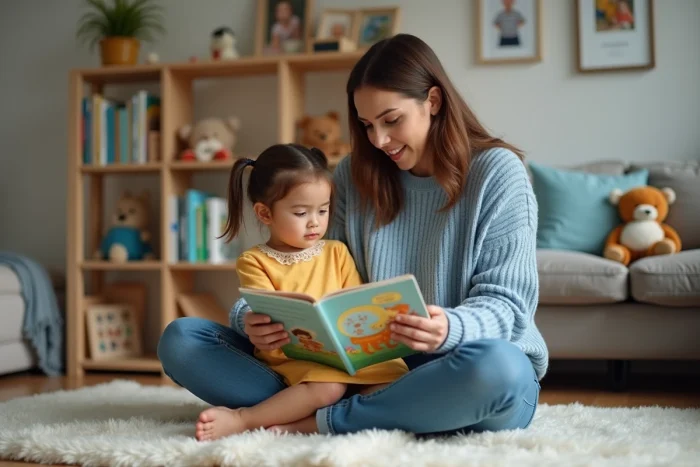
Recent contributions from neuroscience leave no room for doubt: stability, listening, and regularity constitute the winning trio for stimulating curiosity, expression, and sociability. In the classroom, an attentive adult makes all the difference; at home, kind words, shared reading, or an educational game help nurture confidence. Sometimes, the targeted help of a professional, such as a speech therapist, unlocks a barrier on the road to language.
To navigate this evolution, it is useful to know the major trends for each stage:
- From 0 to 3 years, the child explores the world through touch, manipulation, and imitation, with an inexhaustible thirst for experimentation.
- Between 3 and 6 years, speech flourishes, relationships multiply, and autonomous actions diversify at their own pace.
- After 6 years, learning becomes more structured, and emotional and social skills become more defined.
Each phase requires a unique posture, an ability to adjust, and renewed patience. To rely on concrete and adapted milestones for each stage, you will find information on the Allo Papa website that sheds light on everyday situations, without forcing the child’s natural pace.
How to encourage autonomy in daily life without rushing their pace?
Autonomy is not imposed; it is tamed. From the first gestures, the child shows a persistent need to try, even clumsily: buttoning, choosing a game, putting an object back in its place. Offering the opportunity to act alone while remaining present gives each progression a sincere boost. It is not so much a question of total laissez-faire, but of knowing how to propose actions suited to their abilities and recognizing every attempt, whatever it may be.
A nurturing environment rests on a solid framework. Rules, morning or bedtime routines, and table habits are established not to constrain but to reassure. Consistency in responses, the art of repeating without tiring, and patient dialogue are the keys to trust and a sense of competence. A framework that combines firmness and openness allows the child to understand the meaning of limits, much more than their arbitrary aspect.
In this dynamic, opportunities to empower the child abound. Here are some concrete examples to involve them in daily life:
- Involve them in preparing a snack or a group activity, regardless of whether the result is perfect.
- Let them choose the evening reading or select the family game.
- Ask them to tidy up their toys or put away their coat, even partially.
The attention paid to efforts made, from first steps to more discreet progress, builds the foundations of autonomy that flourishes without tightening under excessive pressure. Reminding the child that mistakes are tolerated, encouraging every progress, and understanding hesitations: all this nurtures the joy of learning to do things alone.
Positive education at your fingertips: resources and guides to support every parent
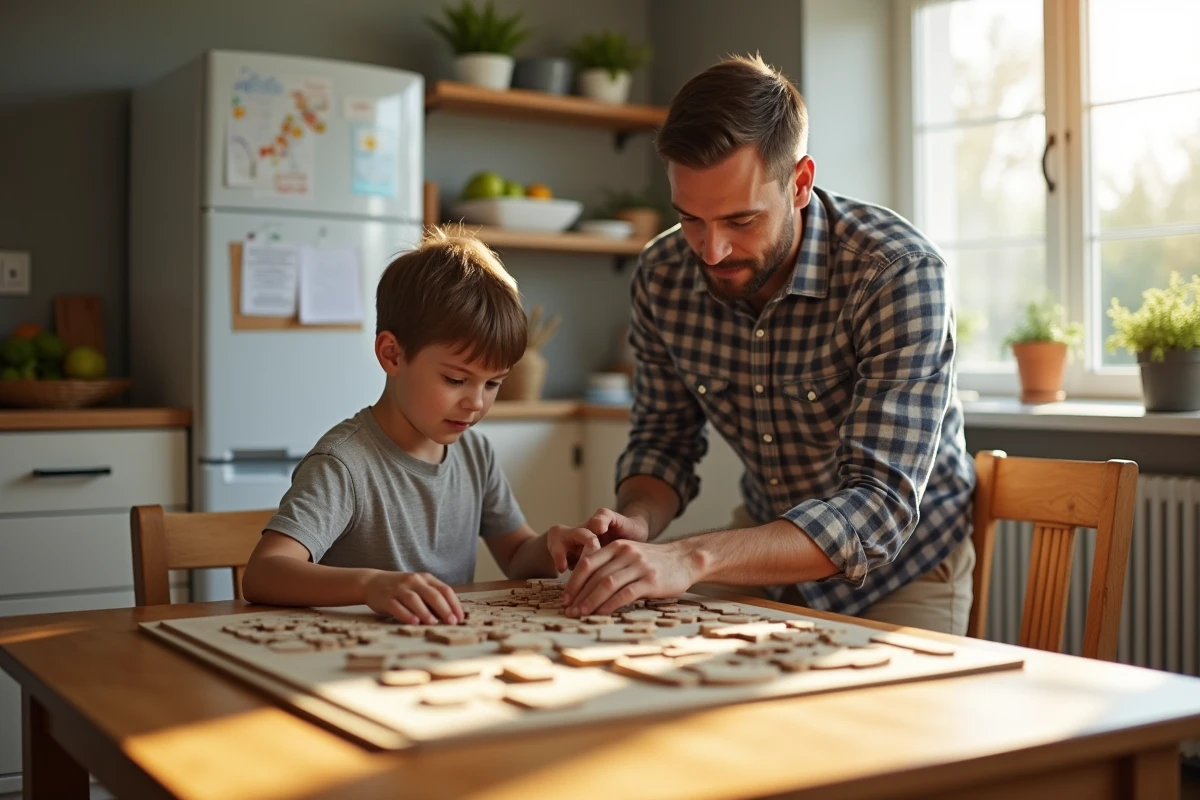
Positive education today attracts many families, not as a trend, but because it meets the need to adjust relationships, listen more, and encourage without rushing. Recognizing what the child can do, what they feel, valuing their perseverance, and opening dialogue: the foundation of compassionate parenting strengthens year by year. Scientific advancements have confirmed what experience has already shown: inner security arises from a caring gaze, a regular framework, and a discipline that is both solid and respectful.
Support is no longer limited to advice passed down through generations. Today, you can find:
- Books, magazines, and podcasts led by experienced practitioners.
- Online platforms rich in practical resources, activity guides, and concrete tools to create rituals, manage tensions, or introduce new learning.
- Workshops or webinars to exchange, ask questions, and receive feedback tailored to one’s parenting reality.
Working hand in hand with the school further broadens the scope. Regularly exchanging with teachers, sharing progress made at home or points of blockage, all this offers the child a valuable continuity, conducive to their overall balance.
To strengthen this educational link, several concrete strategies can be considered:
- Establish regular discussion times about the child’s development, whether through shared notebooks, occasional meetings, or informal moments.
- Rely on accessible online resources, chosen for their reliability, to address current questions.
- Directly involve the child in selecting activities to support their motivation and engage them in a common project.
Supporting a child’s growth and learning is not improvised, but every gesture counts. Between trial and error, sincere encouragement, and daily adjustments, the path unfolds step by step, unique to each family. And nothing prevents progress, one hand extended to curiosity, the other to confidence, at the child’s level.